
Important animal terms glossary
In this glossary you can find a lot of important terms to the topics animal welfare and husbandry, anatomy and livestock nutrition. Enjoy browsing and learning new terms.
Especial | A | B | C | D | E | F | G | H | I | J | K | L | M | N | Ñ | O | P | Q | R | S | T | U | V | W | X | Y | Z | TODAS
P
Partly slatted pig penPig pen with partially or partly slatted floor. | |
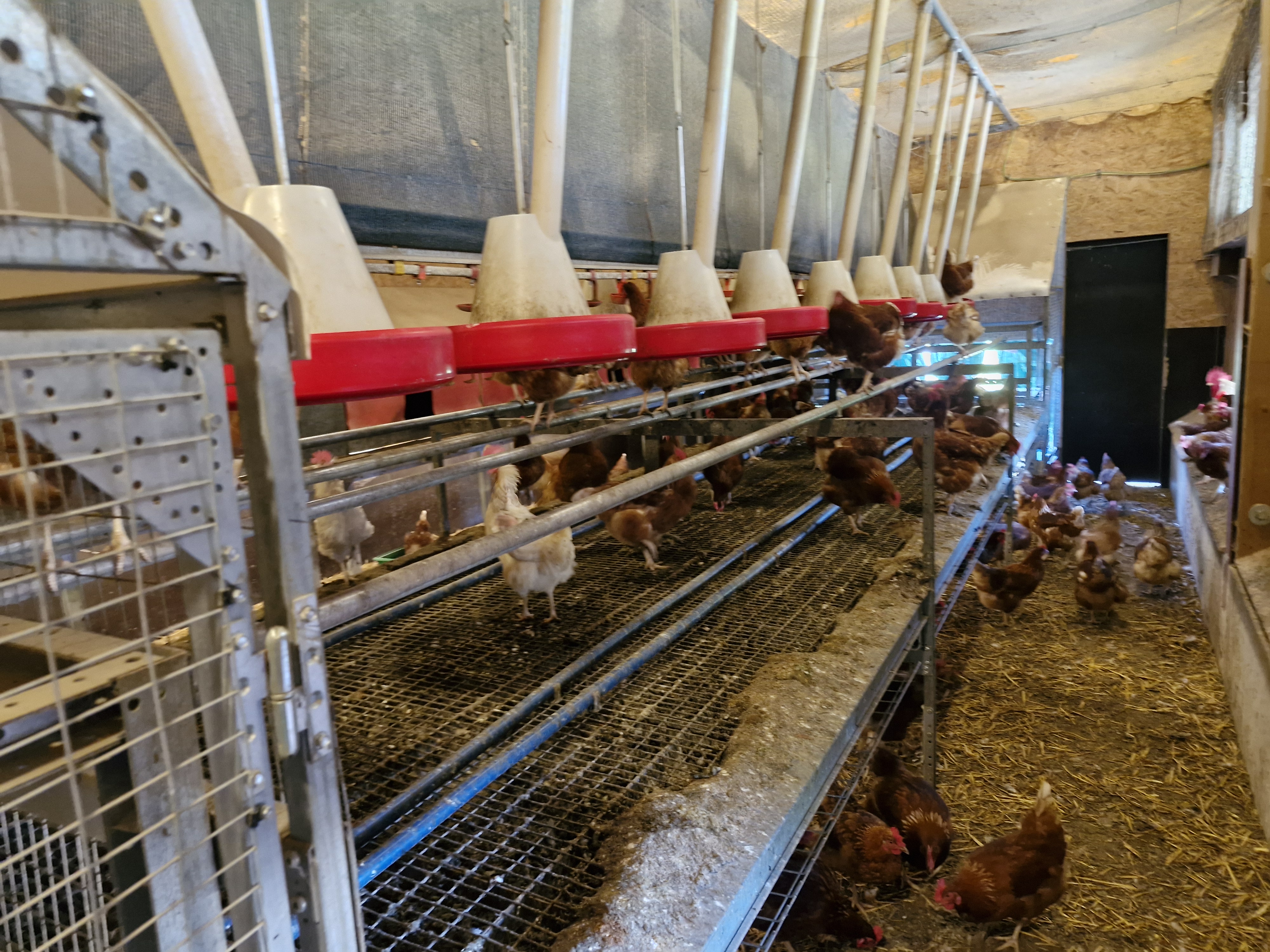
PerchesElevated horizontal structures (bars or rails) installed in poultry housing that allow birds to rest above floor level, fulfilling a species-specific behavioral need of the domestic chicken and representing an important element of welfare-oriented enrichment in laying-hen systems. | |
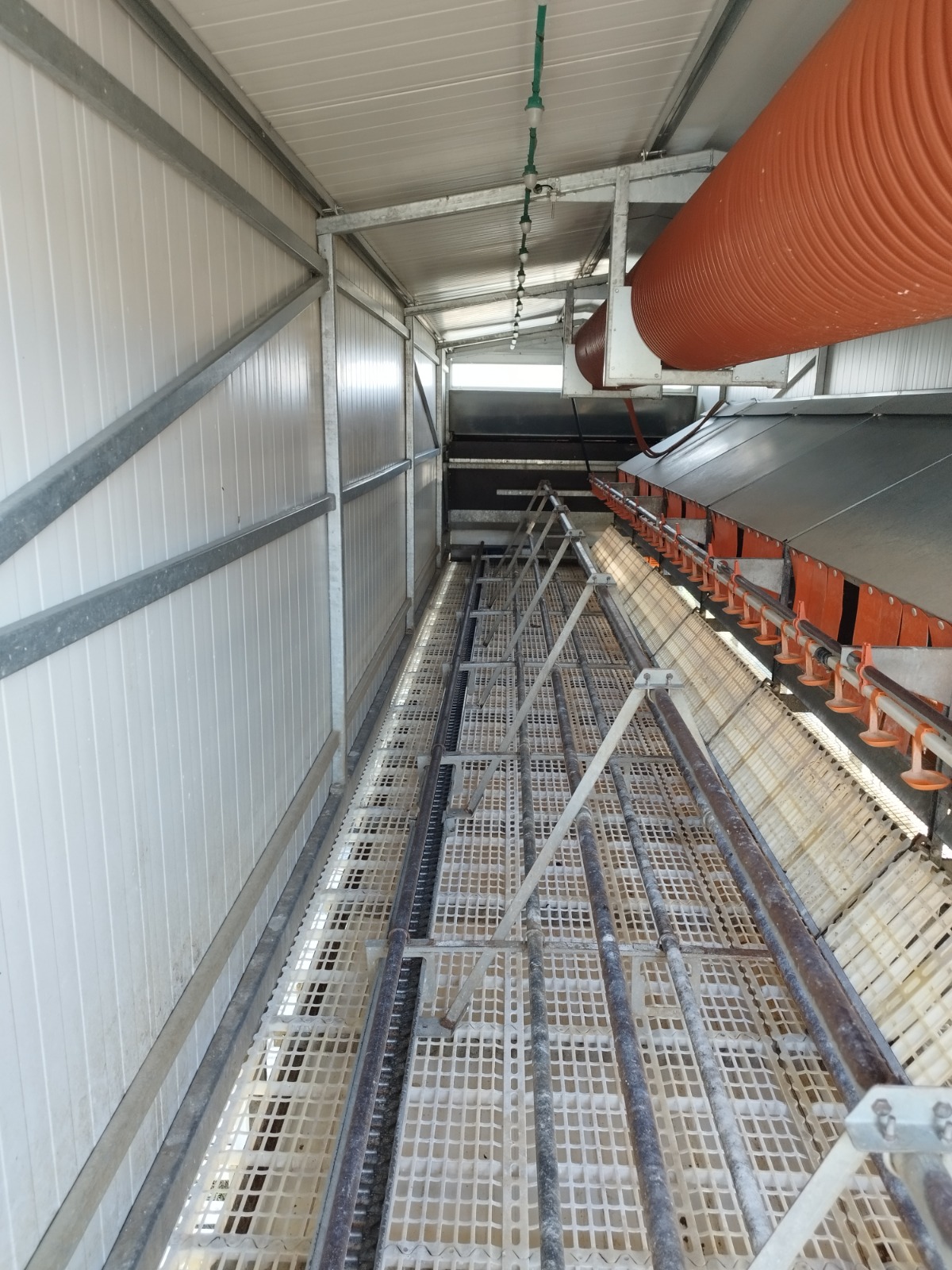
Perforated floorThis normally refers to a type of non-cage systems for housing broilers or laying hens in which there is a double floor. The upper floor has perforations so that manure and litter can be dried by air flowing up through the floor. | |
Perforated manure beltAs manure belt except the belt has holes or perforations, to increase airflow through the droppings for drying. | |
Phase feedingThe provision of different rations or diets to livestock at different stages of growth or performance to match the ration closely to the requirements of the animals. | |
PhytaseEnzyme that can break down the undigestible phytic acid (phytate) part of the phosphorous found in grains and oil seeds and thus release digestible phosphorus, calcium and other nutrients. Phytase is used in pig and poultry diets to enhance the amount of digestible phosphorous and reduce P excretion. | |
PigA domesticated animal derived from the wild boar kept for meat production. | ||
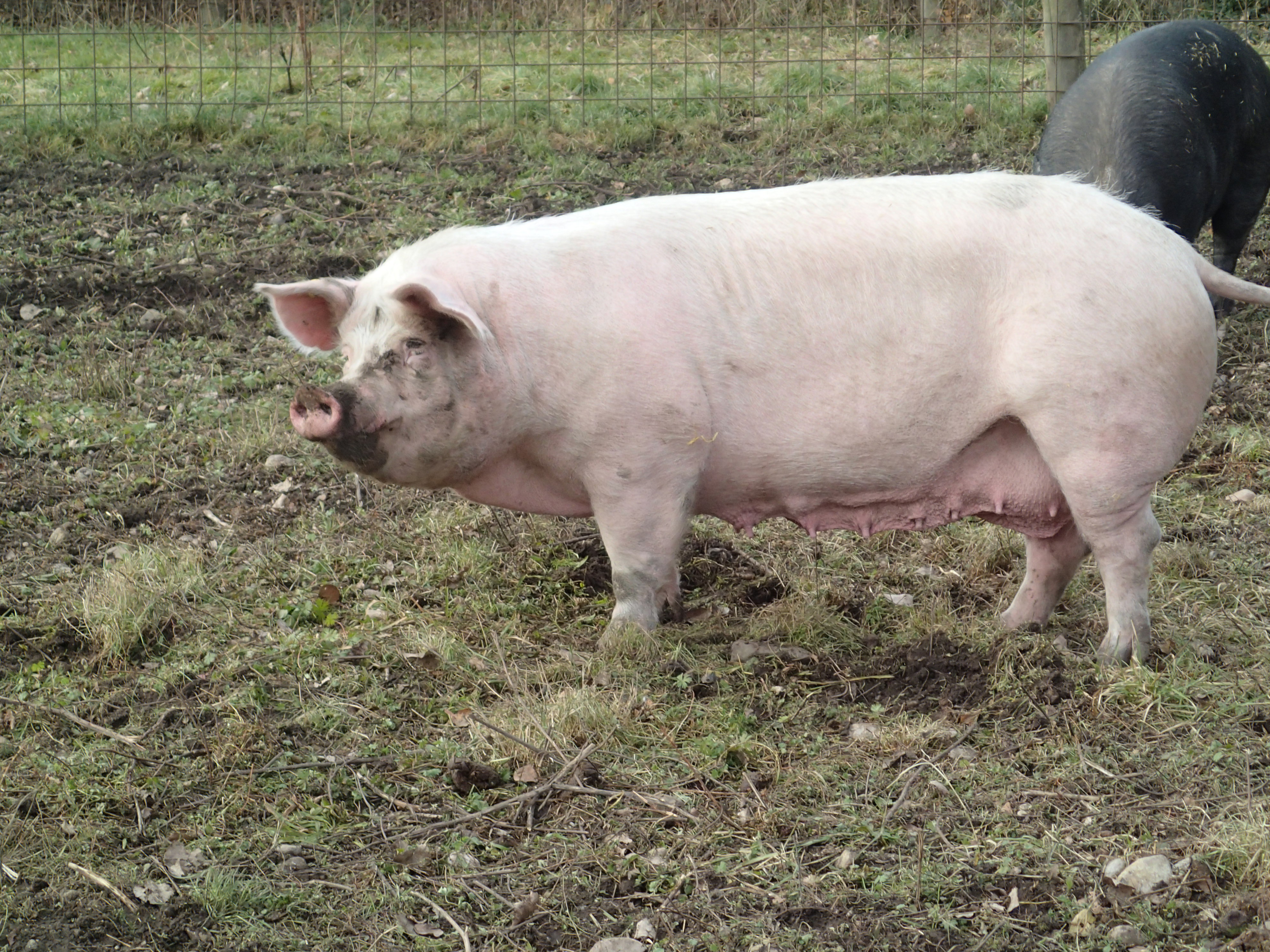
PiggeryA place where pigs are kept. | |
Pig housePigs are normally kept in thermally insulated buildings with forced or natural ventilation. There are large differences in pig housing systems both between and within countries in Europe. Also, different designs are used for different stages of production (sows, weaned piglets from weaning up to 25–30 kg liveweight, growers-finishers or fatteners from 25–30 kg up to 90–160 kg liveweight). | |